Source usapa approved green pickleball ball for Clubs, Schools, and Leagues
Find 30 options for the usapa approved green pickleball ball suitable for professional players, youth, and adults. Compare specifications including hole counts, materials, and customization to select the right gear for competition or entertainment.
Key considerations
Products List




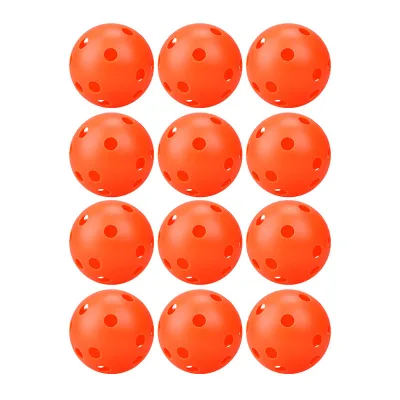

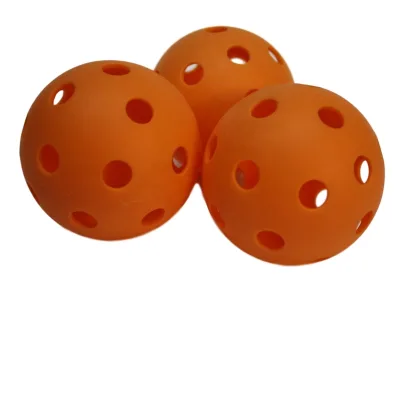
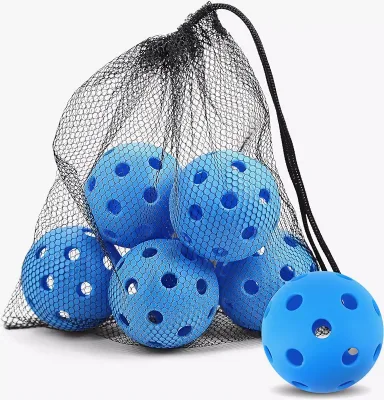
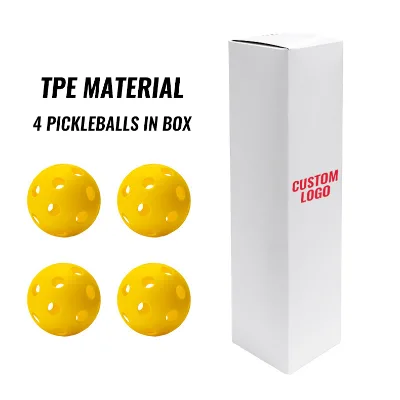
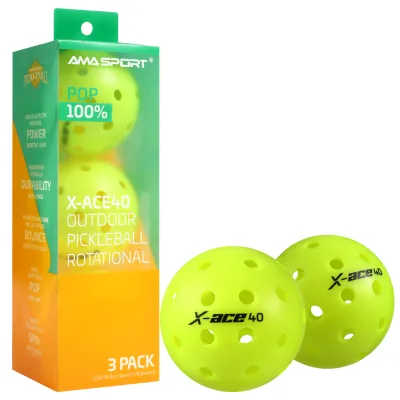
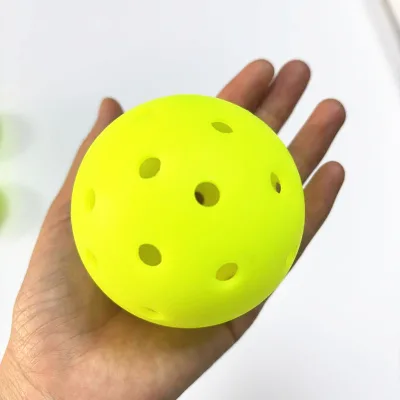

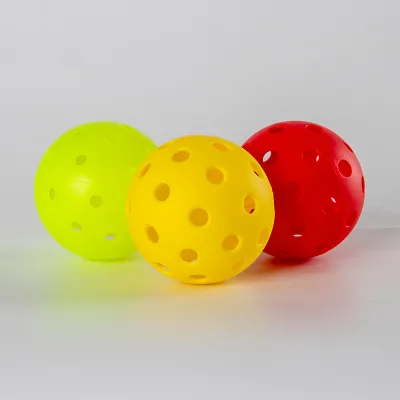
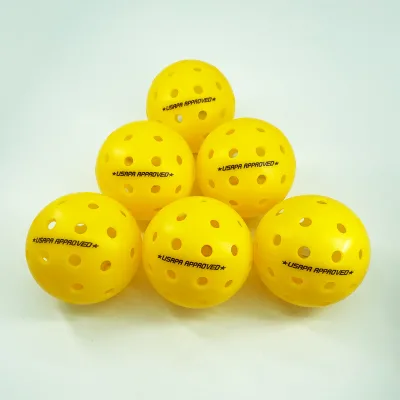
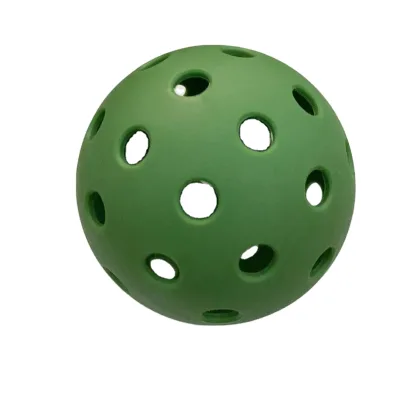
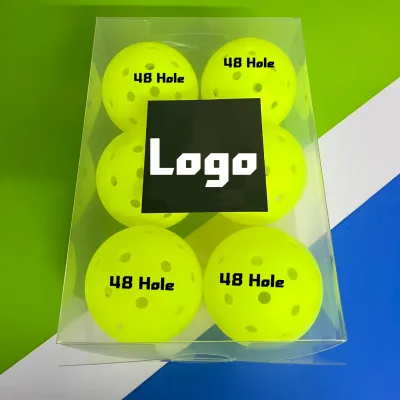
Comprehensive Sourcing Guide
Sourcing Guide for USAPA Approved Green Pickleball Balls
Understanding Technical Specifications and Material Composition
When sourcing a green pickleball ball, particularly one intended for competitive play, the buyer must first establish a clear understanding of the technical parameters that define the product's performance. The supplied product data indicates a diverse range of specifications available in the market, which necessitates careful filtering to ensure the selected item meets the rigorous demands of the sport. The core physical dimension for a standard pickleball is often cited as 73mm or 74mm in diameter, with specific listings noting a diameter of 2.9375 inches. This slight variance in measurement standards requires the buyer to verify the exact tolerance against the United States Pickleball Association (USAPA) requirements before finalizing a purchase order.
Material composition is another critical factor influencing the ball's flight characteristics and durability. The observed product listings reveal the use of various polymers, including LDPE (Low-Density Polyethylene), PE (Polyethylene), and TPE (Thermoplastic Elastomer). Each material offers distinct properties; for instance, TPE is often associated with enhanced elasticity and a softer feel, while LDPE and PE provide structural integrity. The hardness of the ball is quantified using the Durometer scale, with observed data suggesting a range of 45-50 on the D Scale. This hardness level is crucial for ensuring the ball maintains its shape and bounce consistency during high-impact gameplay.
The surface texture and hole configuration are equally significant. The market presents options with either 26 holes or 40 holes. The 26-hole configuration is frequently associated with indoor play, offering a smoother flight path, while the 40-hole variant is typically designed for outdoor use to withstand wind resistance. The provided data also highlights a "Frosted Surface" option, which may be intended to reduce glare or improve grip, though the specific performance implications of this finish should be validated through physical testing. The color green is explicitly listed as an available option, alongside orange and yellow, allowing buyers to select a color that offers high visibility against various court backgrounds.
Compliance Verification and Certification Protocols
One of the most critical aspects of sourcing a "USAPA approved" green pickleball ball is the verification of compliance. It is important to note that while the product listings mention "Competition" and "Entertainment" usage, the specific documentation confirming USAPA approval is not explicitly detailed in the provided supplier data. Therefore, the buyer must treat the term "USAPA approved" as a claim that requires independent verification rather than an inherent attribute of the listed items. The procurement process should involve a direct request for the official certification documents or test reports from the supplier that confirm the ball meets the current USAPA standards for diameter, weight, hardness, and bounce.
The weight of the ball is a primary metric for compliance, with observed listings indicating a weight range of approximately 25 to 26 grams. This falls within the typical range for standard pickleballs, but the exact weight must be consistent across the entire production batch to ensure fair play. Buyers should request a certificate of analysis (CoA) or a third-party test report that validates the weight distribution and confirms that the ball does not exceed the maximum allowable weight limit. Furthermore, the standardization of the product is essential; the data mentions a standard of 73mm and 74mm, which suggests that different models may adhere to different regional or specific tournament standards. The buyer must clarify which standard the specific green ball model adheres to, ensuring it aligns with the regulations of the leagues or tournaments where the balls will be used.
Certification checks should also extend to the manufacturing process. While the data does not list specific environmental or safety certifications, reputable suppliers in the industry often adhere to international standards for plastic manufacturing. The buyer should inquire about the supplier's quality management systems, such as ISO 9001, to ensure that the production process is consistent and capable of maintaining the strict tolerances required for USAPA compliance. Without explicit certification data in the product listing, the burden of proof lies with the buyer to ensure that the supplier can provide the necessary documentation to validate the "USAPA approved" status before committing to a large order.
Cost Drivers and Pricing Structure Analysis
The pricing of green pickleball balls is influenced by a complex interplay of factors, including material costs, production complexity, and order volume. The observed price range in the market spans from $0.11 to $1.77 per unit, a significant variance that reflects differences in quality, material composition, and branding. Lower-priced units, likely falling at the $0.11 end of the spectrum, may utilize standard LDPE or PE materials and lack advanced features such as frosted surfaces or precise weight balancing. Conversely, the higher-priced units, approaching $1.77, likely incorporate premium materials like TPE, offer enhanced durability, and may include custom branding or specialized surface treatments that justify the cost premium.
Minimum Order Quantity (MOQ) is another pivotal cost driver. The data indicates a wide range of MOQs, from as low as 1 piece to as high as 1000 pieces, with a specific listing noting an MOQ of 300 pieces per export carton. This variability allows buyers to tailor their procurement strategy based on their immediate needs and budget constraints. For buyers requiring a small quantity for testing or immediate use, the ability to order single units or small batches is advantageous, though the per-unit cost will likely be higher. For large-scale procurement, such as for a tournament or a retail inventory, meeting the 300-piece MOQ threshold can significantly reduce the per-unit cost, leveraging economies of scale.
The packaging method also impacts the overall cost structure. The listed products are packed in export cartons, with specific dimensions noted as 584747 cm and a capacity of 300 pieces per carton. Efficient packaging is essential for minimizing shipping costs and preventing damage during transit. Buyers should consider the logistics of handling these cartons, as the volume and weight of the packaging can influence freight charges. Additionally, the availability of customization, such as logo printing, adds a layer of cost that varies based on the complexity of the design and the volume of the order. Customization options are available, but buyers should be prepared for potential setup fees or increased lead times associated with these services.
Typical Applications and Target Audience Segmentation
The versatility of green pickleball balls makes them suitable for a wide array of applications, catering to different segments of the market. The product data identifies the target audience as including youth, children, adults, and professional players. This broad demographic reach suggests that the green color is selected for its visibility and appeal across age groups. For professional players, the ball must meet the highest standards of performance, including consistent bounce and flight characteristics, which are critical for competitive play. The "Competition" usage tag in the data supports the notion that these balls are designed for serious gameplay, where every millimeter of deviation can impact the outcome of a match.
In the realm of entertainment and recreational play, the durability and cost-effectiveness of the ball become more prominent. The "Muti" (likely "Multi") usage tag indicates that these balls are suitable for various playing conditions, including both indoor and outdoor environments. The 40-hole configuration, often associated with outdoor use, is particularly relevant for this segment, as it provides better wind resistance. The 26-hole variant, on the other hand, is ideal for indoor courts where air resistance is less of a concern, allowing for a more controlled and predictable flight path. The green color, being distinct from the traditional yellow, may offer a unique aesthetic for recreational leagues or private clubs looking to differentiate their equipment.
The age group segmentation also plays a role in product selection. While the data lists "All" and "Adults" as age groups, the inclusion of "Youth" and "Children" suggests that manufacturers produce balls with varying weights and hardness levels to accommodate younger players. The observed weight range of 25-26 grams is generally suitable for adults and older children, but buyers sourcing for youth programs should verify if the specific green ball model is optimized for younger players, potentially with a slightly lighter weight or softer feel. The customization options, such as logo printing, are particularly valuable for schools, clubs, and organizations looking to brand their equipment for specific events or programs.
Supplier Evaluation and Quality Control Measures
Evaluating suppliers for green pickleball balls requires a rigorous approach to ensure that the products meet the specified technical and compliance requirements. The data indicates that the products originate from Anhui, China, a region known for its manufacturing capabilities. However, the origin alone does not guarantee quality. Buyers should prioritize suppliers who demonstrate a commitment to quality control through documented processes and third-party testing. The presence of specific model numbers, such as WR-250325-1 and WR-250217-1, suggests that suppliers have established product lines with defined specifications, which can be a positive indicator of their manufacturing maturity.
Quality control measures should be a central part of the supplier evaluation process. Buyers should request detailed information on the supplier's quality assurance protocols, including in-process inspections and final product testing. The hardness (Durometer 45-50 D Scale) and weight (25-26g) are critical parameters that must be consistently maintained. A robust quality control system should include statistical process control (SPC) to monitor these variables and ensure that the production batch remains within the specified tolerances. Additionally, the buyer should inquire about the supplier's defect rate and their procedures for handling non-conforming products.
The packaging and shipping capabilities of the supplier are also important considerations. The data specifies that the products are packed in export cartons with dimensions of 584747 cm, containing 300 pieces. This standardized packaging suggests that the supplier has experience in handling international shipments. However, buyers should verify the supplier's ability to protect the balls during transit, as damage to the balls can render them unusable. The supplier's lead time and ability to meet delivery deadlines are also crucial factors, especially for buyers with tight schedules or those planning for specific events.
Long-Term Procurement Considerations and Strategic Sourcing
Sourcing green pickleball balls is not merely a transactional activity but a strategic decision that impacts the long-term success of a buyer's operations. The availability of customization options, such as logo printing, offers a significant advantage for buyers looking to build brand identity. However, the long-term viability of these custom products depends on the supplier's ability to maintain consistency in quality and design over multiple production runs. Buyers should establish a long-term partnership with a supplier who can guarantee the continuity of the product specifications and the availability of the green color variant.
Inventory management is another critical aspect of long-term procurement. The observed MOQ range of 1 to 1000 pieces allows for flexible inventory strategies, but buyers must balance the cost of holding inventory against the risk of stockouts. For businesses with steady demand, establishing a recurring order schedule can help secure favorable pricing and ensure a consistent supply of high-quality green pickleball balls. The supplier's capacity to scale production up or down based on demand fluctuations is also a key consideration. Buyers should assess the supplier's production capacity and their ability to handle large orders without compromising on quality or lead times.
Finally, the buyer should consider the potential for product evolution and innovation. The market for pickleball equipment is dynamic, with new materials and designs emerging regularly. A supplier who is committed to research and development can provide buyers with access to the latest innovations, such as improved materials or enhanced surface treatments. This forward-thinking approach can give buyers a competitive edge and ensure that their product offerings remain relevant and appealing to their customers. By focusing on long-term relationships and strategic sourcing, buyers can secure a reliable supply of high-quality green pickleball balls that meet the evolving needs of the market.
Comparative Analysis of Product Attributes
To facilitate a clearer understanding of the available options, the following table summarizes the key attributes observed in the product listings. This comparison highlights the variations in specifications, materials, and target applications, aiding buyers in making informed decisions based on their specific requirements.
| Attribute | Option A | Option B | Option C |
|---|---|---|---|
| Product Name | 26 Holes Pickle Ball | Frosted Surface Pickleball Balls | High Quality 26 Holes Rotation Pickleball |
| Hole Configuration | 26 Holes | 40 Holes | 26 Holes |
| Diameter/Standard | 73mm | 74mm | 2.9375 Inch |
| Material | LDPE | PE | TPE |
| Color | Green | Green | Green |
| Weight | 25-26g | ~25-26g | ~25-26g |
| Hardness | 45-50 (D Scale) | 45-50 (D Scale) | 45-50 (D Scale) |
| Target Audience | Youth, Professional, Children, Adult | Professional Players, Adult | All |
| Usage | Pickleball Games | Competition / Entertainment | Pickleball Game |
| MOQ | 300 PCS | 300 PCS | 1 pcs |
| Packing | 300 PCS/Export Carton | 300 PCS/Export Carton | 300 PCS/Export Carton |
| Origin | Anhui, China | Anhui, China | Anhui, China |
This table illustrates that while the core specifications such as weight and hardness remain relatively consistent, the material composition and hole configuration vary significantly. Buyers should align these attributes with their intended use case, whether it be indoor competition, outdoor recreation, or youth training, to ensure the selected product delivers optimal performance. The variation in MOQ also provides flexibility for different procurement strategies, from small-scale testing to large-volume distribution.
FAQs
What is the standard diameter for USAPA approved green pickleball balls?
The standard diameter is typically 73mm or 74mm, with some listings specifying 2.9375 inches. Buyers must verify the exact tolerance against USAPA requirements as slight variances exist between models.
Can I order a single unit of green pickleball balls for testing?
Yes, some suppliers offer a minimum order quantity of just 1 piece for testing purposes. However, bulk orders often require a minimum of 300 pieces per export carton to access standard pricing.
Which material is best for durable green pickleball balls?
The balls are available in LDPE, PE, and TPE materials, each offering distinct properties. TPE often provides enhanced elasticity, while LDPE and PE ensure structural integrity for long-term use.
How many holes do indoor versus outdoor green pickleball balls have?
Indoor balls typically feature 26 holes for a smoother flight path, while outdoor variants have 40 holes to withstand wind resistance. The specific hole count depends on the intended usage environment.
What is the weight range for these green pickleball balls?
The observed weight range is approximately 25 to 26 grams per ball. This falls within the typical range for standard pickleballs, but consistency across batches is critical for competitive play.
Can I get a customized logo printed on green pickleball balls?
Customized logo printing is available for most green pickleball ball models. Buyers should expect potential setup fees or increased lead times associated with these customization services.
What is the hardness level of the green pickleball balls?
The hardness is measured on the Durometer D Scale, typically ranging from 45 to 50. This level ensures the ball maintains its shape and bounce consistency during high-impact gameplay.